Hard Surface Cleaning.
Grout, tile, stainless, glass, wood, stone — every surface has different rules. Here's how we think about all of them.
Quick answer: The mistake most people make with hard surface cleaning is using the same cleaner on every surface. Stainless steel, grout, natural stone, glass, sealed wood, and tile all have different chemistry — and a cleaner that’s great on one will ruin another. The right approach is matching the cleaner to the surface, using pH-neutral products whenever you’re not sure, and never using what’s marketed as “all-purpose” on anything you care about.
TECH has been making cleaning products since 1975. What started with Final Answer Carpet Cleaner grew over five decades into a full hard surface line — stainless steel, glass, grout, wood floors, countertops. Same family, same business, same standard: does this actually work, and is it safe around families?
This guide is what we’ve learned about hard surfaces specifically — why some cleaners that sound similar behave completely differently, why the grocery store aisle is a minefield of surface-damaging products, and what we reach for when we want to clean something without wrecking it. We’re going to be honest about which home remedies work and which ones damage what you’re trying to clean. And we’re going to talk about TECH where TECH is the right answer — not because it’s always the right answer, but because on the surfaces it was made for, it is.
Why most hard surface cleaners fail
Before we talk about specific surfaces, it’s worth understanding why so many hard surface cleaning attempts go wrong — even with products marketed as “safe for everything.”
Wrong pH. This is the biggest one. Acidic cleaners (vinegar, most “shower cleaners,” citrus-based products) etch natural stone, damage grout sealer, and can pit stainless steel finishes over time. Alkaline cleaners (bleach, ammonia-based products, most heavy-duty degreasers) strip finishes from sealed wood, dull marble and granite, and damage the coating on fingerprint-resistant stainless. The surface you’re cleaning has a pH tolerance range. Most cleaners are outside it.
Harsh chemistry on finishes. Modern hard surfaces aren’t raw material — they’re raw material plus a factory-applied finish. Sealed stone, painted appliances, lacquered wood, fingerprint-resistant coatings. Harsh solvents (ammonia, bleach, acetone) can strip those finishes even when they don’t visibly damage the underlying surface. You don’t always see the damage right away. Six months later, the finish is dull or streaked and won’t hold a clean appearance.
Residue that builds up. Soap-based cleaners, oil-based polishes, and wax-containing products leave a film behind that attracts dust and fingerprints. The surface looks clean for an afternoon, then looks worse than before by the next day. Most “shine” products are actually residue that’s about to become tomorrow’s smudge.
A cleaner that actually works on hard surfaces needs to do three things: match the surface’s chemistry, lift dirt and oils without stripping the finish, and rinse clean without leaving anything that attracts new grime. That’s what TECH’s hard surface line was designed to do, and it’s the standard we’ve held for fifty years.
The four kinds of hard surfaces (and why they matter)
Every hard surface in your home falls into one of these groups. Get the group right, and half the cleaning decision is made for you.
Sealed surfaces are the ones with a factory or applied coating protecting a porous material underneath. Sealed granite, sealed marble, finished hardwood floors, engineered quartz, fingerprint-resistant stainless. The rule here is pH-neutral cleaners only. Anything acidic will start eating through the sealer; anything too alkaline will strip the finish. The cleaner can never be stronger than the surface can tolerate.
Non-porous synthetics are materials that don’t absorb what you put on them. Regular stainless steel, glass, ceramic tile, porcelain tile, painted appliances, solid-surface countertops. These are the most forgiving, but they’re also the easiest to streak because anything left behind shows up immediately. The cleaner here needs to lift cleanly and evaporate or wipe off without residue.
Porous naturals are raw stone and masonry where the surface itself absorbs liquids. Unsealed grout, natural stone countertops, concrete, terracotta, unfinished wood. These need careful chemistry — acids etch, alkalines stain. And anything you spill (including the cleaner) can soak in and leave a permanent mark if you don’t clean it right.
Soft coatings are surfaces with a delicate protective layer that can scratch or strip. Black stainless, matte finishes, lacquered wood, screens (TV, computer, phone). Never use abrasives. Never use anything stronger than pH-neutral. Often these need their own specialty cleaner or they need to be cleaned with just water and a microfiber cloth.
Most hard surface disasters happen when someone treats a sealed surface like a non-porous one, or a porous natural like it can take anything. Knowing which group your surface is in is the most important thing.
The five rules we always follow
Whatever hard surface, whatever the mess, these rules hold.
1. Check pH before you reach for a cleaner. When in doubt, pH-neutral. Acid cleaners (pH below 5) are for specific jobs — hard water deposits, rust, some grout stains — and only on surfaces that tolerate them. Alkaline cleaners (pH above 9) are for heavy grease. Everything else, neutral pH (6-8) is the safer bet.
2. Wipe with the grain, not against it. On stainless steel and brushed finishes, always wipe in the direction of the grain lines. Wiping across the grain leaves visible streaks and, over time, can dull the finish. On polished surfaces, the direction matters less — but circular motions leave more streaks than straight passes.
3. Test in a hidden spot first. Same rule as carpet. Under the fridge, inside a cabinet, behind a toilet. Dab a little on, wait five minutes, look for color change or damage. This is non-negotiable on natural stone, unsealed wood, and anything with a colored or fingerprint-resistant coating.
4. Less product, more often. Hard surfaces don’t need aggressive cleaning — they need consistent cleaning. A light wipe-down every few days keeps a surface looking new and prevents the buildup that forces harsh cleaning later. When you skip maintenance, the only way back is stronger chemistry, and that’s when surfaces get damaged.
5. Match the tool to the surface. Microfiber for glass, stainless, and screens. Soft sponge or cloth for most other surfaces. Nylon brush for grout. Never steel wool on anything. Never abrasive pads on finished or coated surfaces. The cleaner matters, but the wrong tool can damage a surface even with the right cleaner.
These rules work. But they work consistently only when the cleaner you’re using matches the surface — which is why “one cleaner for everything” is a marketing claim, not a practical reality.
Surface-by-surface
Here’s the short version of what we’d tell you for the most common hard surfaces.
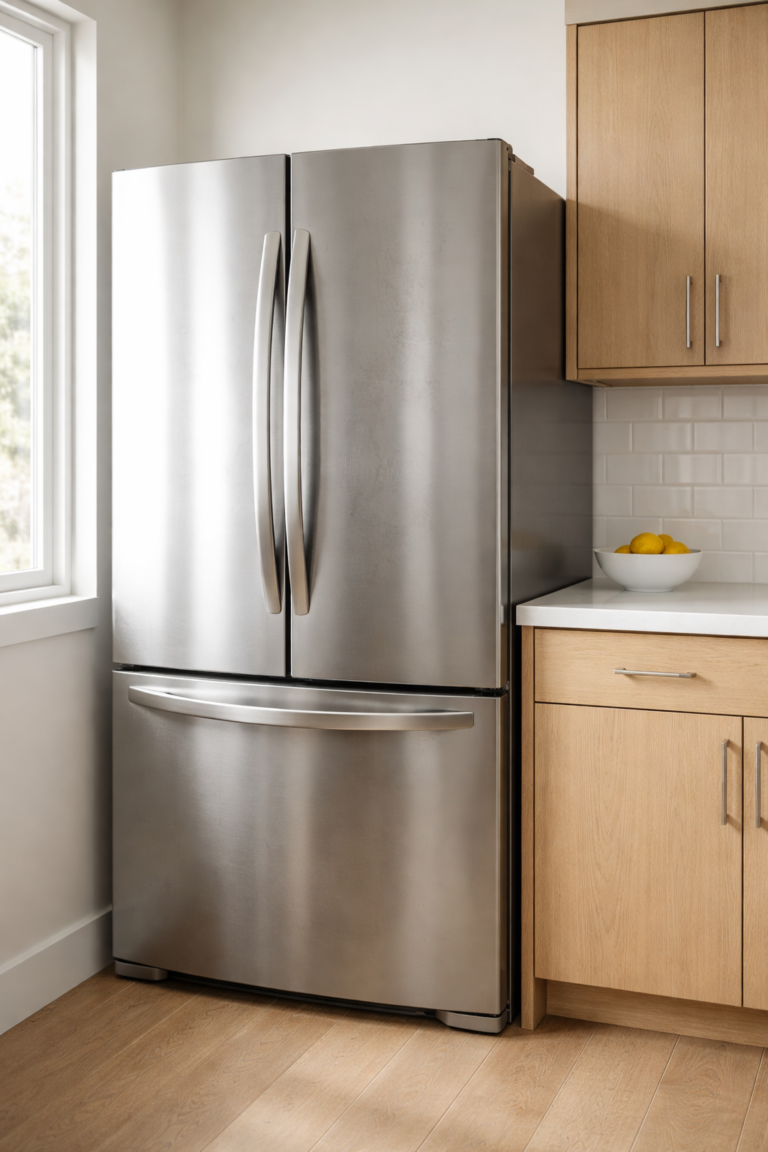
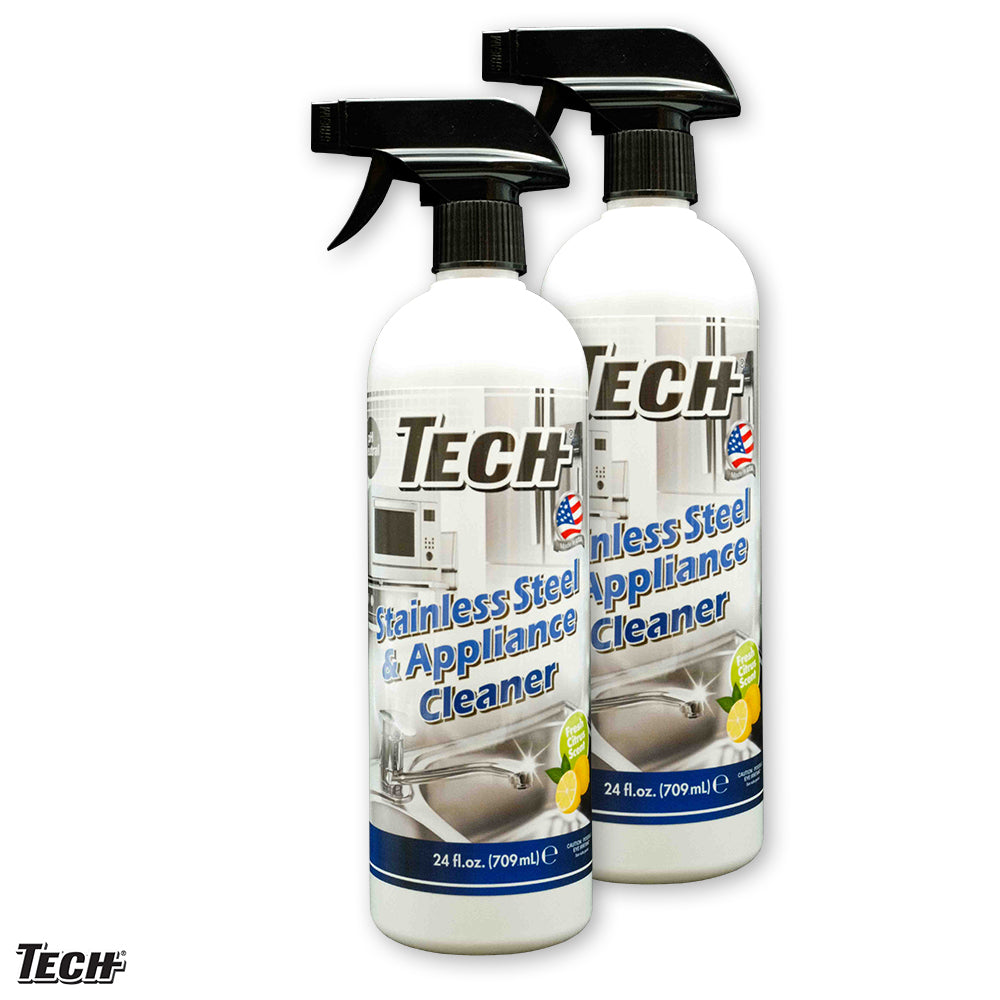
Stainless steel appliances — Always wipe with the grain. For everyday smudges and fingerprints, TECH Stainless Steel & Appliance Cleaner is pH-neutral, contains no silicones (which attract dust and dull the finish over time), and leaves the surface genuinely clean rather than oily. Spray on, wipe with a soft cloth in the direction of the grain, buff lightly. Avoid ammonia-based glass cleaners on stainless — they can pit the finish.
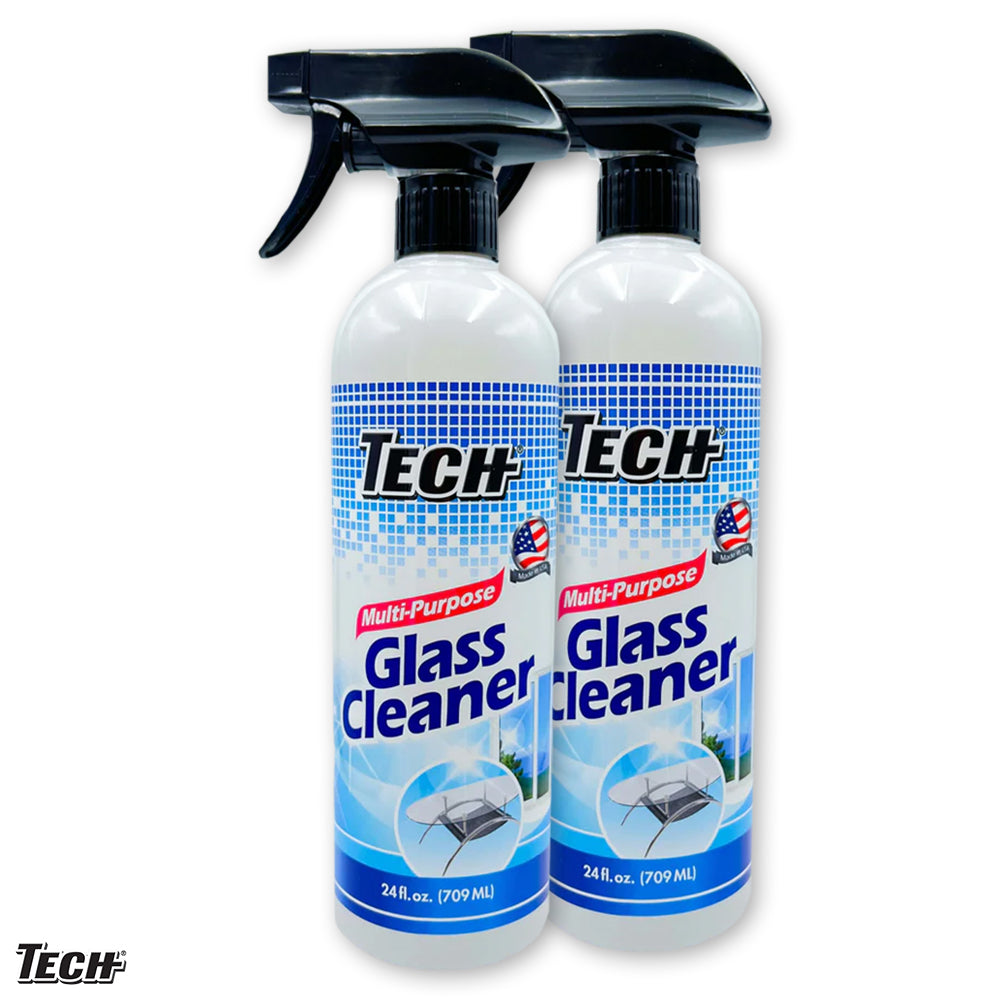
Glass and mirrors — Streaks are almost always a residue problem, not a technique problem. TECH Multi-Purpose Glass Cleaner rinses clean without the ammonia-based film that cheaper glass cleaners leave. Also safe on electronic screens (TVs, monitors, phone screens) where most household glass cleaners will damage the anti-glare coating. Wipe with a lint-free cloth or microfiber — paper towels leave fibers on the glass.
Grout — Grout is porous, which means it absorbs whatever spills on it and whatever you clean it with. For everyday maintenance, pH-neutral cleaner and a soft brush. For set-in discoloration, you need something stronger — but acids (vinegar, lemon-based cleaners) will eat the grout sealer over time. TECH Grout Cleaner handles set stains without damaging the sealer. After any deep clean, reseal the grout — this is the step most people skip.
Ceramic and porcelain tile — Non-porous, relatively forgiving. pH-neutral cleaner and a microfiber mop handles everyday dirt. Avoid vinegar on tile floors not because it damages the tile (it doesn’t) but because it degrades the grout around the tile. Steam mops work on sealed tile but can damage grout and adhesive if the heat is too high.
Natural stone (granite, marble, travertine) — Porous and acid-sensitive. Never use vinegar, lemon, tomato-based cleaners, or any citrus product. They etch the surface permanently — you’ll see the etching as a dull spot in the polish that won’t come out. pH-neutral cleaner only. Some natural stones need specialty products. Reseal annually.
Sealed hardwood floors — Less cleaner is more. A damp microfiber mop with a tiny amount of pH-neutral floor cleaner handles everything. Avoid water pooling — wood doesn’t like sitting moisture even when sealed. Vinegar and steam mops are both wrong here: vinegar dulls polyurethane finish over time, and steam can separate floorboards by penetrating the seal.
Quartz countertops — Engineered quartz is non-porous and doesn’t need sealing, but the resin binders can be damaged by strong solvents. pH-neutral cleaner, soft cloth. Avoid acetone, bleach, and citrus cleaners.
Solid-surface countertops (Corian, etc.) — These are plastic composites. Most household cleaners are fine, but abrasive scrubbing will dull the finish. Use a soft sponge, not a scrub pad.
Screens (TV, computer, phone, tablet) — Water and a microfiber cloth for daily cleaning. For something stronger, TECH Glass Cleaner is safe on electronic screens. Avoid ammonia, alcohol above 50%, and any paper towel — paper fibers can scratch anti-glare coatings.
Chrome fixtures — pH-neutral cleaner, soft cloth. Chrome is easily scratched by abrasive cleaners and can develop white spots from mineral deposits. Vinegar can remove mineral buildup on chrome but should be diluted and rinsed thoroughly.
Painted surfaces (walls, trim, appliance panels) — Mild pH-neutral cleaner and a soft cloth. Never abrasives. Test in a hidden area first because some paints (especially matte finishes) can be damaged by even mild cleaning.
Toilet bowls — This is the one place where acidic cleaners shine. The porcelain is non-porous and acid-tolerant. Dedicated toilet bowl cleaners with HCl or other strong acids handle mineral deposits and stains that neutral cleaners can’t touch. But keep acids off any surrounding metal, stone, or grout.
Mystery surfaces (you’re not sure what it is) — Start with water and a soft cloth. If that doesn’t work, pH-neutral cleaner. Never start stronger. The more aggressive the cleaner, the more likely you are to damage something you can’t replace.
When to call a professional
Some hard surface situations need professional equipment and expertise. We’d rather tell you than sell you something that won’t work.
Call a professional when: grout is deeply stained beyond what home cleaners touch (professionals have steam extraction systems that pull dirt out of grout lines at 250°F), natural stone has visible etching or loss of polish (professional restoration can sometimes re-polish it, DIY attempts usually make it worse), hardwood floors need refinishing (sanding and re-sealing is not a DIY job for anything larger than a small patch), tile is showing underlying water damage or mold, or you’re dealing with a high-value surface (heirloom marble, imported stone, historical wood) where the consequence of a wrong move is significant.
A good hard surface restoration service has truck-mounted extractors, sealer application equipment, and the chemistry knowledge to match products to surfaces. For maintenance cleaning, you don’t need any of that. For restoration, you do.
What about all the DIY home remedies?
Every home cleaning blog recommends the same handful of DIY solutions for hard surfaces. Some of them work in specific situations. Most of them cause damage you won’t see for months. Here’s the honest version.
Vinegar gets recommended for everything and should be used for almost nothing. It’s mildly acidic, which means it etches natural stone, degrades grout sealer, dulls marble, and damages the finish on fingerprint-resistant stainless. On glass, it works okay — but it leaves a smell. The one place it genuinely helps is removing mineral deposits from chrome fixtures, and even there, dilution and rinsing matter.
Baking soda is abrasive, which is both its strength and its problem. On grout and porcelain, it can lift stains. On anything with a finish or coating — stainless, sealed wood, natural stone — it scratches. The line between “gentle scrub” and “dulled finish” is thinner than most guides admit.
Bleach damages almost everything it’s recommended for. It kills mold and mildew, yes. It also degrades grout, pits stainless, discolors natural stone, and strips sealers. If you use bleach on grout, you’re trading a stain problem for a slow structural problem.
Dish soap is a reasonable first-pass on non-porous synthetics. Mix a few drops with warm water, wipe with a microfiber, rinse. The problem is residue — if you don’t rinse well, the film attracts dirt and the surface gets dirty faster next time.
Olive oil or mineral oil on stainless is a popular TikTok hack. It does make the surface shine temporarily by filling in micro-scratches. It also leaves an oily film that attracts dust and turns into a dull residue within a week. “Shine” from oil is masked dirt.
Ammonia-based glass cleaners (Windex and similar) work on plain glass but damage fingerprint-resistant stainless, screens with anti-glare coatings, and some painted surfaces. Read the label on any coated surface before using.
Magic Erasers are made of melamine foam — a very fine abrasive. On rough surfaces (grout, tile, porcelain), they work. On anything with a finish (painted walls, stainless, sealed wood, stone), they leave a dulled spot that you can’t polish back.
The core problem with DIY hard surface cleaning is that the same remedy behaves differently on different surfaces. Vinegar is fine on glass, disastrous on marble. Baking soda is useful on grout, damaging on stainless. A cleaner that’s matched to the surface — pH-appropriate, residue-free, finish-safe — does the job consistently. TECH was built for exactly that: a hard surface line where each product is formulated for the surface it’s named for, not a single product trying to be everything at once.
How TECH works
TECH’s hard surface products share a formulation philosophy, but each one is tuned for its specific surface. Here’s what’s happening when you use them.
pH-neutral by design. Every TECH hard surface cleaner is formulated within a pH range safe for its target surface — neither acidic enough to etch finishes nor alkaline enough to strip them. You can use a TECH stainless cleaner daily for years and the finish will look the same as it did the day you bought it. That’s not true of most cleaners on the market.
No silicones, no waxes, no oils. Most “shine” products rely on additives that coat the surface to create temporary gloss. Those same additives attract dust, dull over time, and build up into residue that requires harsh cleaning to remove. TECH skips the additives. What you see after cleaning is the actual surface — clean, not coated.
Residue-free rinse. The cleaner lifts dirt and oils into suspension, then wipes or rinses away completely. No film, no streaks, no buildup. This is why surfaces stay looking clean longer after a TECH cleaning than after a soap-based one — nothing is left behind to attract new dirt.
The result is surfaces that actually stay clean — not just clean for an afternoon. No haze on glass. No fingerprints that reappear in an hour. No buildup that demands stronger cleaning every few months. That’s what fifty years of formulation gets you.
Final thoughts
Hard surfaces are about matching the cleaner to what you’re cleaning. That’s it. The same product that makes your stainless refrigerator look brand new will ruin your marble countertop. The same vinegar that polishes chrome fixtures will eat the seal on your grout. “Safe for all surfaces” is almost always a lie.
Know what you’re cleaning. Use the right cleaner. Wipe with the grain. Less product, more often. Rinse residue. Don’t reach for stronger chemistry when you’re frustrated — reach for better method.
That’s the system. It’s worked for fifty years. It’ll work on your surfaces too.
What we reach for
Every surface in your home has different chemistry. TECH's hard surface line is formulated for each one — not a single product trying to be everything at once.
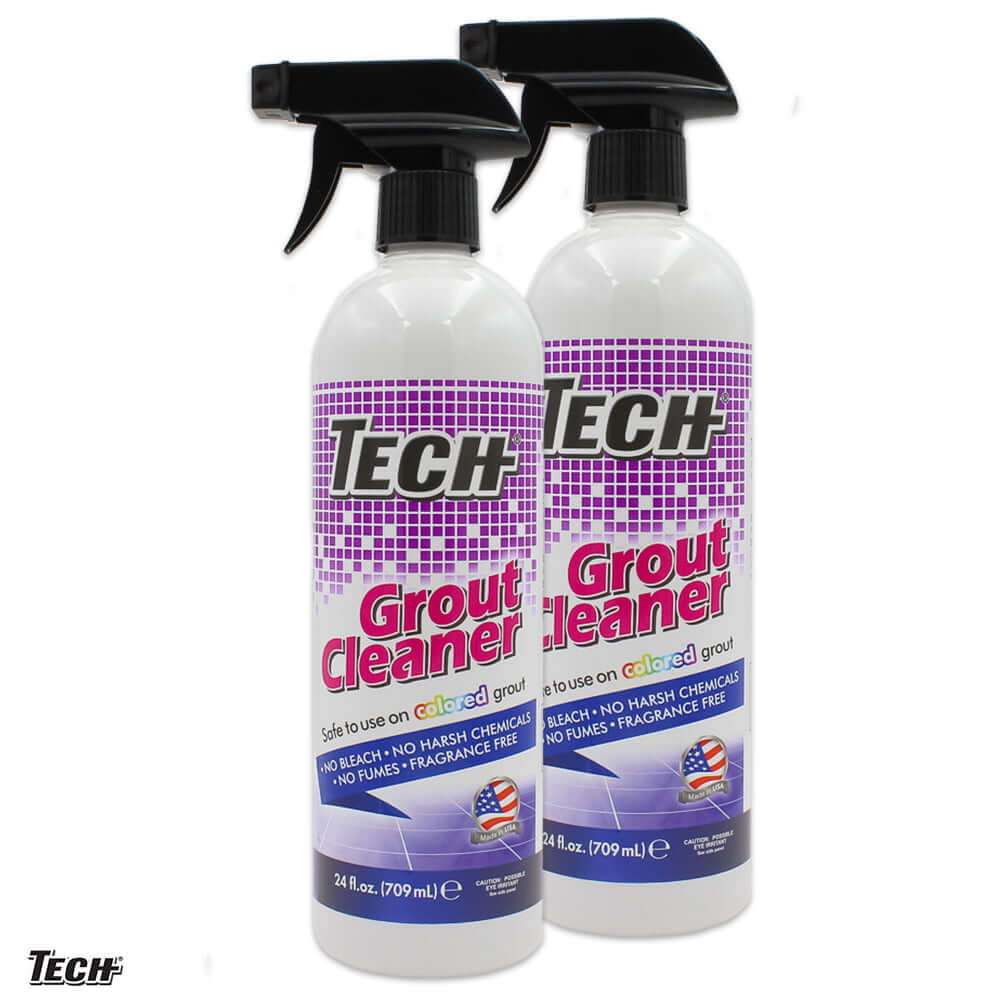
For more on why our approach works, read how TECH separates stains from surfaces.
Est. 1975
Three generations.
Made in USA
Every bottle, every batch.
Safer by design